
The historical evolution of gambling From ancient rituals to modern games
The Origins of Gambling in Ancient Civilizations
Gambling has deep roots in human history, tracing back thousands of years to ancient civilizations. Archaeological evidence suggests that early forms of gambling were practiced in China around 2300 B.C. with rudimentary games involving dice. These games often had spiritual significance, serving as rituals meant to appease deities or determine fate in matters of agriculture and war. Such practices highlight how intertwined gambling was with the cultural fabric of ancient societies. For those interested in contemporary options, lizaro casino online offers a modern twist on these historical engagements.
In Mesopotamia, around 3000 B.C., the Sumerians engaged in betting games that involved betting on the outcomes of board games and dice throws. These activities were typically part of larger festivities and were often linked to religious ceremonies. The Egyptians also contributed to the evolution of gambling through their use of dice, which they made from materials like wood and ivory. Over time, these games became integral to social gatherings, often symbolizing a test of luck and chance.
As civilizations evolved, so did the complexity of gambling. The Romans, for example, had their own gaming tables and enjoyed betting on chariot races and gladiatorial contests. Gambling during this period was not only a pastime but also a way to demonstrate social status, as the affluent often engaged in higher stakes. Through these ancient practices, gambling transitioned from mere chance activities into structured games that reflected the values and beliefs of society.
The Medieval Shift: Gambling in Europe
The medieval period marked a significant transformation in gambling practices across Europe. With the decline of the Roman Empire, gambling took on new forms, primarily influenced by the church’s stance against it. Despite ecclesiastical disapproval, games like dice and cards gained popularity among the nobility and common folk. The invention of playing cards in the 15th century in Italy provided a fresh medium for gambling, allowing for strategic games that required skill alongside chance.
During this era, gambling became associated with courtly life, with lavish games played in royal courts. The establishment of betting houses, or early forms of casinos, started to emerge, allowing individuals to wager on various games and events. This period saw the birth of organized gambling, where the stakes grew, and with them, the societal implications of winning and losing became more pronounced. Gambling was also seen as a way to display wealth and prowess.
The Renaissance further invigorated gambling, with innovations in game design and rules. Popular games like faro and baccarat became common in gambling houses, and the concept of betting on sports began to take shape. By the end of the medieval period, gambling had established itself as a leisure activity deeply embedded in the social dynamics of European life, setting the stage for modern gaming practices.
The Rise of Modern Gambling in the 19th Century
The 19th century ushered in a new era for gambling, characterized by the establishment of formal regulations and the rise of public betting. The first official lotteries were organized in the early 1800s, promoting civic funding through gambling. This period also saw the expansion of casinos, particularly in Europe and America, where the luxurious environments attracted a diverse clientele eager to try their luck.
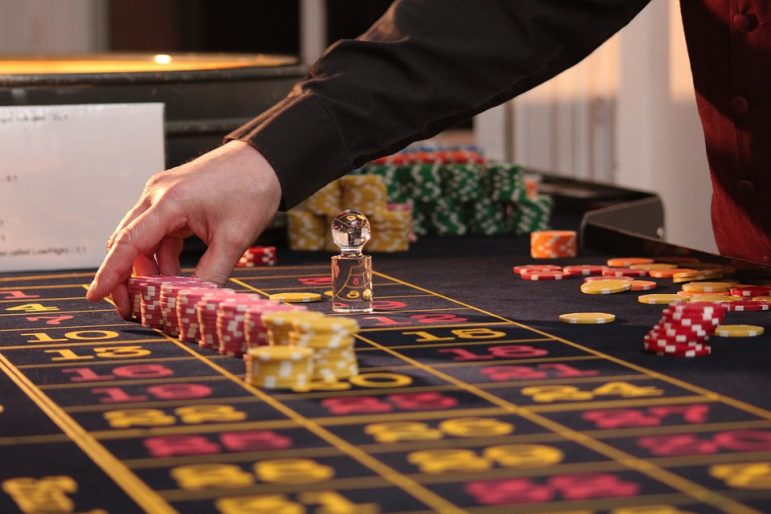
As industrialization progressed, gambling became more accessible to the masses. The introduction of the roulette wheel in France revolutionized gaming, allowing players to engage in a thrilling and unpredictable experience. The increasing availability of betting options, such as horse racing and sporting events, contributed to gambling’s popularity, fueling an economy centered around chance and risk.
This era also witnessed a growing awareness of gambling addiction and its societal impact. As more people participated in gambling, various reform movements emerged to address issues related to gambling-related harm. This duality highlighted the complexity of gambling’s evolution: while it provided entertainment and economic opportunity, it also posed challenges that society had to confront in managing risk and responsibility.
The Digital Revolution and Online Gambling
The advent of the internet in the late 20th century transformed the landscape of gambling dramatically. Online casinos emerged in the mid-1990s, offering players the convenience of gambling from their homes. This shift changed not only how games were played but also who could participate. Suddenly, individuals from various backgrounds had access to a plethora of games, ranging from classic slots to intricate table games, all available at the click of a button.
Regulatory frameworks began to evolve alongside this digital revolution. Countries worldwide grappled with how to manage online gambling, balancing economic benefits with the need to protect consumers. Many regions established licensing systems, ensuring that online casinos operated fairly and ethically. The innovations in technology, such as live dealer games and mobile gaming, further enhanced the user experience, making online gambling more interactive and engaging.
As technology progressed, the landscape continued to evolve. The integration of cryptocurrencies and blockchain technology began to redefine transactions within online gambling. This ushered in an era of increased security and anonymity for players, further enticing a global audience. With the rise of mobile apps and platforms, players now have unprecedented access to gaming, marking a new chapter in the rich history of gambling that began with ancient rituals.

Lizaro Casino: A Modern Gaming Experience
Lizaro Casino stands as a testament to the evolution of gambling, offering a modern online platform that caters to a diverse audience. Launched in 2025, it provides over 10,000 games from more than 79 well-known providers, blending traditional gaming with cutting-edge technology. With options ranging from slots to live dealer games, Lizaro Casino aims to deliver an unparalleled gaming experience that reflects the historical richness of gambling.
The platform is designed with user security in mind, employing state-of-the-art SSL encryption and adhering strictly to regulatory standards. Players can enjoy a safe environment while exploring a vast array of gaming options, enhanced by generous bonuses and promotions tailored for newcomers. This emphasis on security and accessibility aligns with the modern expectations of gamblers, who seek both excitement and peace of mind.
With its mobile accessibility, rapid withdrawal processes, and 24/7 customer support, Lizaro Casino embodies the future of gambling. It not only pays homage to the historical evolution of games but also positions itself as a leader in the digital gaming revolution, offering a seamless and enjoyable experience for players around the world.
